
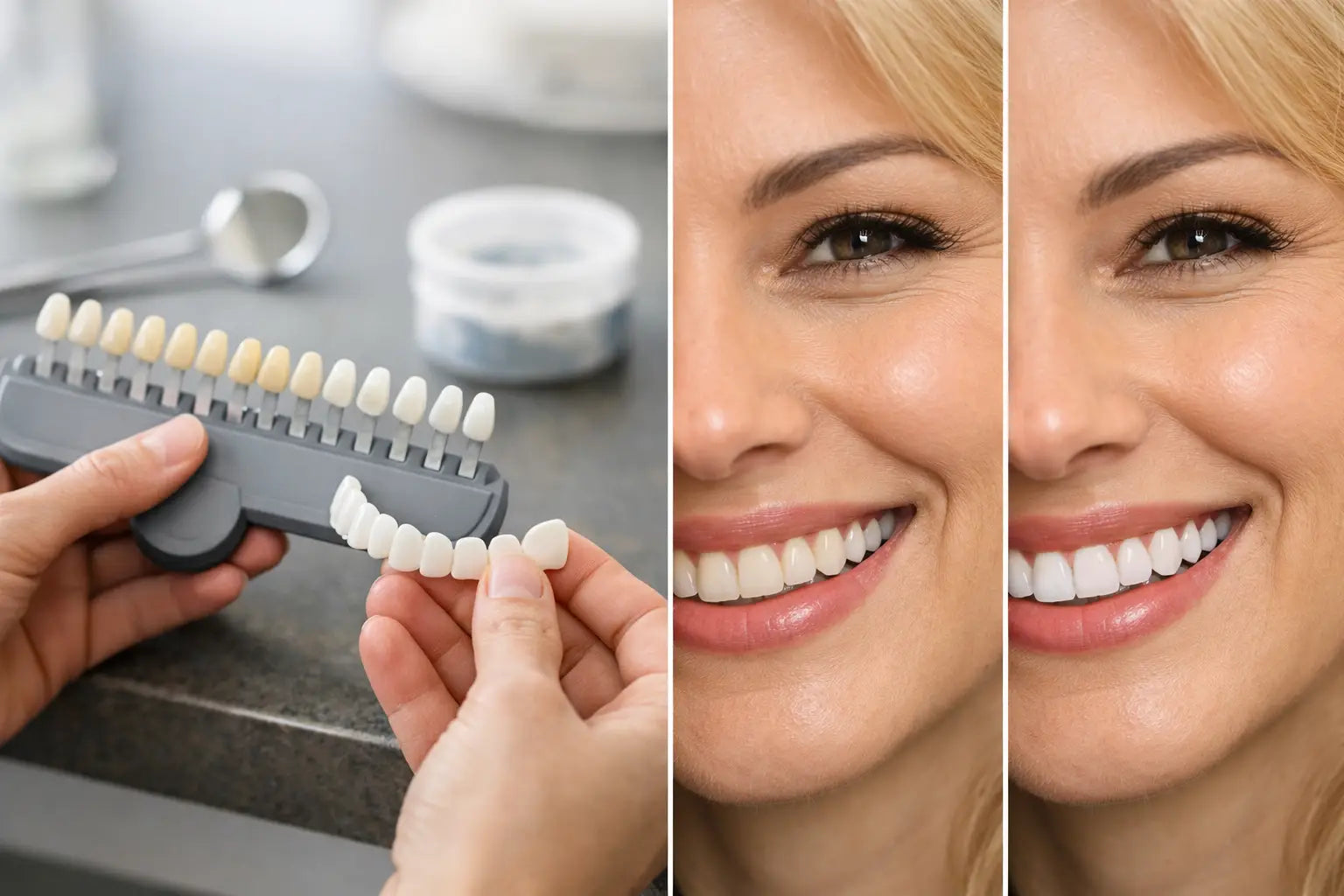
A brighter smile can change how you feel in photos, conversations, and professional settings. But when you are weighing veneers versus whitening, the real question is not simply which option makes teeth look lighter. It is which option can address the specific details that make you want to hide your smile in the first place.
Whitening can be a good fit for natural teeth that are healthy-looking overall but have surface discoloration. Veneers, including custom removable veneers, can create a more complete visual change when color is only one part of the concern. If you see chips, gaps, uneven edges, worn teeth, small-looking teeth, or missing teeth when you look in the mirror, whitening alone may not deliver the transformation you have in mind.
Veneers Versus Whitening: The Core Difference
Whitening changes the shade of your natural teeth. Depending on the method and your starting color, it may reduce the appearance of yellowing or certain stains and help your smile look fresher. It does not change the shape, length, spacing, or alignment of visible teeth.
Veneers cover the front-facing appearance of teeth to create a more uniform smile. Traditional veneers are permanently bonded to prepared teeth and generally require in-office treatment. Custom removable veneers are a non-invasive alternative designed to fit over your existing teeth without drilling, needles, or permanent alteration.
That difference matters because whitening works with what is already there. Veneers can visually improve several concerns at once. Neither choice is automatically better. The right choice depends on whether your goal is a lighter version of your current smile or a more noticeable cosmetic change.
When Whitening May Be the Better Starting Point
Whitening is often the more straightforward option when you are happy with the overall shape and arrangement of your teeth. Perhaps your teeth look even, your smile feels balanced, and you mainly want to reduce visible staining from coffee, tea, wine, tobacco, or normal changes over time.
It can also make sense if you want a subtle update rather than a different-looking smile. A whitening result is tied to your natural tooth color and the way your teeth respond, so expectations should stay realistic. Some types of discoloration may respond differently, and crowns, fillings, or other dental restorations do not whiten the same way natural enamel does.
Whitening also requires maintenance. Results can fade over time, especially if the causes of staining remain part of your routine. For someone whose only concern is color, periodic touch-ups may feel like a reasonable trade-off for keeping their natural teeth fully visible.
When Veneers Can Make More Sense
Whitening cannot cover a chip, fill a gap, make pointed teeth look softer, or create a more even-looking smile line. If those issues are part of what makes you self-conscious, veneers may offer a more satisfying visual result because they address color and appearance together.
Custom removable veneers may be especially appealing if you want to avoid the commitment and cost of traditional cosmetic dentistry. They are made from impressions of your teeth, then designed to sit over your smile for a customized look. You can remove them when needed, rather than permanently changing your natural teeth.
For many adults, this is less about pursuing a perfect smile and more about feeling comfortable enough to smile without overthinking it. A polished, uniform look can be helpful before a wedding, job interview, reunion, vacation, or simply for everyday confidence.
That said, removable veneers are cosmetic appliances, not a replacement for necessary dental treatment. Fit, comfort, and the final appearance depend on accurate impressions, the condition of your teeth, and selecting a design that works with your smile. A reputable provider should be clear about what the appliance can and cannot do before you order.
Compare the Results You Can Expect
The simplest way to compare veneers versus whitening is to focus on the outcome you want to see in the mirror.
Whitening may improve the shade of your natural teeth, but it leaves their visible shape and spacing unchanged. If your teeth are slightly uneven or have minor chips, those details may stand out even more once the color looks brighter.
Veneers can create a chosen shade while also improving the appearance of uneven, worn, stained, gapped, crooked-looking, pointed, or small teeth. With a removable design, you can choose when to wear your new smile rather than making a permanent change.
The result should still look believable. A very bright shade may be right for some people, while others prefer a softer, natural white that better matches their features. The goal is not a one-size-fits-all color. It is a smile that feels like an elevated version of you.
What About Deep Stains?
Deep or internal discoloration can be frustrating because whitening may not change it as much as expected. Veneers can mask visible color differences because the appliance covers the front of the teeth. This is one reason people with long-standing stains often consider a veneer solution rather than repeated whitening attempts.
A custom removable veneer can also provide a consistent shade across the visible smile, which may be helpful when individual teeth vary in color. No cosmetic option should be presented as a guarantee of perfection, but coverage can offer more control over the final look than whitening alone.
Cost, Time, and Commitment
Cost is not just the purchase price. It is also the time, upkeep, and level of commitment an option requires.
Whitening may have a lower initial cost, depending on the approach. However, it often involves repeat treatments to maintain the brightness you want. It is a color-focused solution, so anyone who later decides they also want to change tooth shape or gaps will need to consider another cosmetic option.
Traditional veneers usually involve a larger financial investment, in-office appointments, and permanent preparation of the teeth. For people who want that route, the long-term commitment may be worth it. For others, permanence is exactly what they want to avoid.
Custom removable veneers provide a middle path for people seeking a dramatic cosmetic change without drilling or office visits. At Removable Veneers USA, customers receive an at-home impression kit, personalized design support, and a custom appliance made in a U.S. dental lab with licensed dental professional involvement. Financing may also make a smile transformation more manageable for qualified buyers.
Choosing a Removable Veneer Model
Not all removable veneers are made the same way. Generic, boil-and-bite products may be inexpensive, but they are not created from your impressions and may not deliver the fit or natural appearance you expect. A custom-made appliance is designed around the shape of your own teeth, which matters for comfort, stability, and appearance.
When comparing options, look beyond a before-and-after photo. Ask whether the company uses custom impressions, where the appliance is produced, whether real people can help with the process, and what protections are offered if something is not right. These details matter when you are trusting a company with a highly personal part of your appearance.
Model tiers and material upgrades can also affect the look and longevity of a removable veneer. A stain-resistant upgrade may be worth considering if keeping a bright, polished appearance is a priority. Your design consultant can help you think through shade, smile shape, and the level of coverage that best fits your goals.
Questions to Ask Before You Decide
Before choosing between whitening and veneers, be honest about what bothers you when you smile. Is it mainly color? Or do you notice multiple concerns, such as stains plus chips, gaps, or uneven edges?
Think about how long you want the change to last and how permanent you want it to be. Whitening requires ongoing maintenance, while traditional veneers involve a permanent dental change. Removable veneers offer flexibility, but they still require a thoughtful custom process and realistic expectations about how an appliance fits into your routine.
Finally, consider the confidence factor. A subtle improvement can be exactly right when you already like your smile. But if you have spent years covering your mouth in pictures or avoiding close-up conversations, a more complete cosmetic solution may better match what you are hoping to change.
Your smile does not need to fit someone else’s idea of perfect. Choose the option that gives you the level of change, comfort, and control that helps you feel ready to show it.